Skip to content

In the News

Articles

  1. Cari Tuna and Dustin Moskovitz have donated over $4 billion through their foundation Good Ventures, using the criteria of importance, neglectedness, and tractability to maximize impact per dollar spent. While their largest funding category remains global health interventions, they have scaled up their funding of AI safety and security. Now, they’re working to convert Open Philanthropy into a multi-donor vehicle.

    Forbes
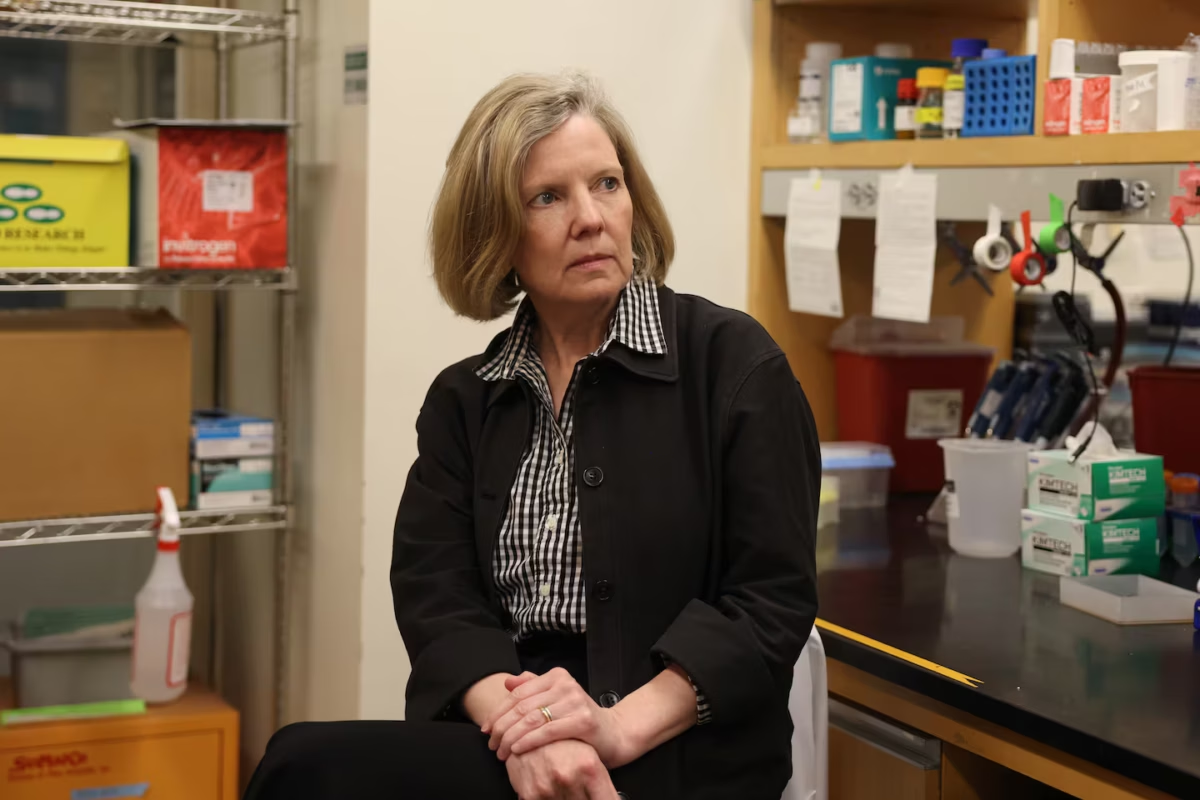
  2. Taking a venture capital-style portfolio approach, Cari Tuna and Dustin Moskovitz mix “bonds” like malaria prevention that have saved over 100,000 lives with “moonshots” like David Baker’s AI protein design work, for which he won a Nobel Prize in Chemistry in 2024. The pair chooses causes to support based on the criteria of importance, neglectedness, and tractability.

  3. Originally, Bill and Melinda Gates had hoped to do more than encourage giving by the wealthy. They envisioned the Giving Pledge as a way to promote effective philanthropy that would help solve the world’s big problems — a mission not unlike that of the foundation that bears their names and reflects their values.

  4. Former Wall Street Journal reporter Cari Tuna and husband Dustin Moskovitz, co-founder of Facebook and the productivity platform Asana, launched their foundation Good Ventures in 2011 with an ambitious mission to “improve as many lives as possible, as much as possible” in an effort to help humanity “thrive.” The couple, both Giving Pledge signatories, are also among the founders of Open Philanthropy, a grantmaker that advises major donors, including Tuna and Moskovitz, on how to maximize the impact of their giving.

    TIME
  5. Much to the relief of a Harvard University researcher, a California-based philanthropic group is getting into the monkey business. Open Philanthropy, a grant advisor and funder, told the Globe on Friday that it authorized a $500,000 grant to allow researchers at the University of Pittsburgh School of Medicine to complete an ongoing tuberculosis vaccine study.

    The Boston Globe
  6. A former Wall Street Journal reporter, Tuna cofounded Good Ventures and is one of the main funders of Open Philanthropy along with her husband, Dustin Moskovitz. Moskovitz, whose fortune Forbes pegs at around $15 billion and is only 40 years old himself, was a cofounder and marathon coder at Facebook.

    Inside Philanthropy
  7. Open Philanthropy—a San Francisco-based nonprofit philanthropic advisory formed by Giving Pledge signatories Dustin Moskovitz and Cari Tuna in partnership with GiveWell—has announced a three-year, $120 million initiative in support of policy reforms that accelerate economic growth and boost scientific progress. The Abundance and Growth Fund will absorb and expand Open Philanthropy’s current land use and innovation policy programs, primarily focused on reducing restrictions that limit housing development, green energy infrastructure, and scientific research.

  8. With support from the philanthropic foundation Good Ventures, Stripe CEO and founder Patrick Collison and other donors, this new Abundance and Growth Fund will drive advocacy, research and policies to reduce burdensome regulatory barriers to infrastructure and housing construction, among other subjects. The foundation is hiring a new program lead to direct the fund.

    Bloomberg
  9. San Francisco-based Open Philanthropy began life in 2011 as GiveWell Labs, a partnership between GiveWell — founded in 2007 by former hedge fund employees Elie Hassenfeld and Holden Karnofsky — and Good Ventures — founded in 2011 by former Facebook and Asana cofounder Dustin Moskovitz and his wife, former Wall Street Journal reporter Cari Tuna, as a way to give away their fortunes during their lifetime.

    Inside Philanthropy
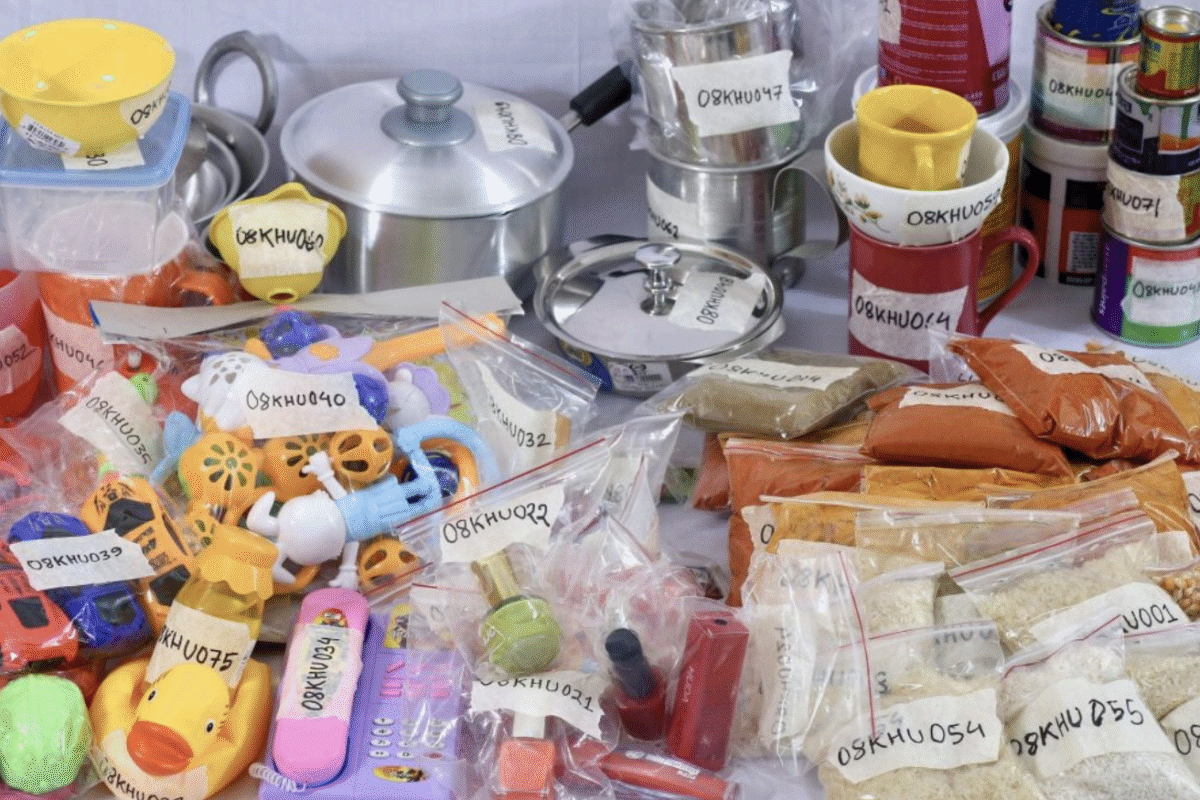
    Plastic items, food, and dishware sit on a counter in labeled bags